- Home .
- Dry Needling
Dry Needling in Lahore
Advanced dry needling therapy at DR. Waseem Physio to release tight muscles, reduce pain, and restore movement quickly.
Dry Needling by Dr. Waseem
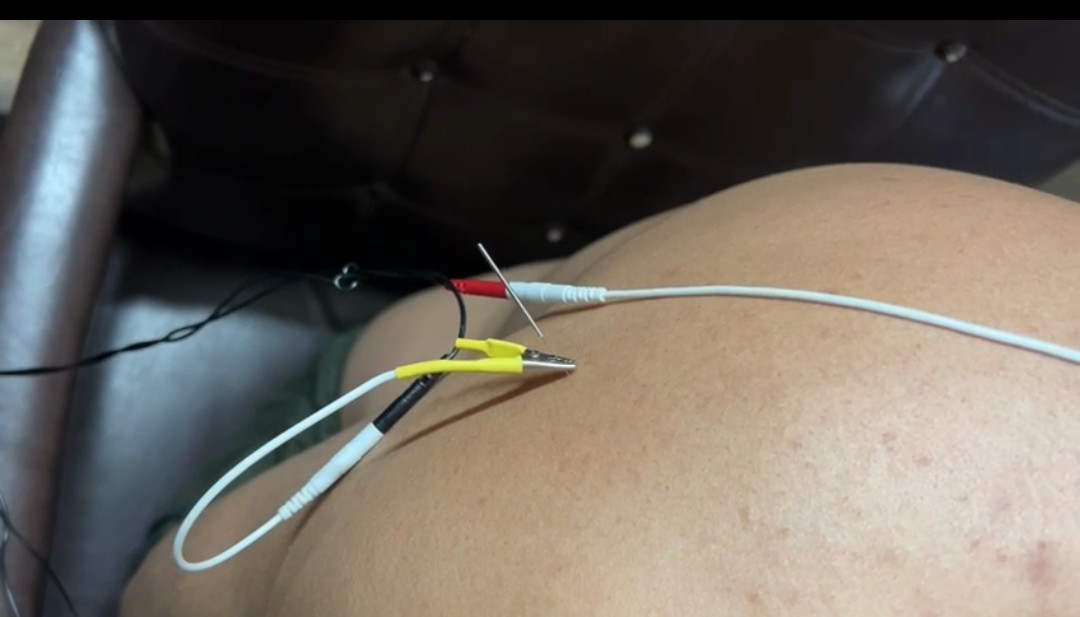
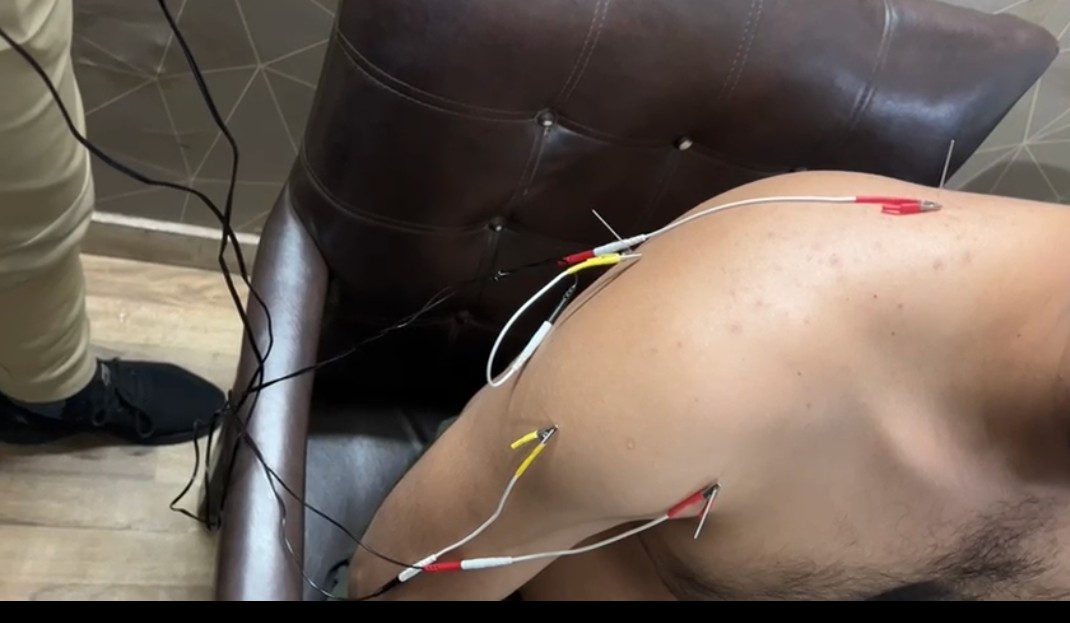
Dry needling is a physical therapy technique applied to decrease swelling, relieve pain, and reduce rigidity caused by myofascial trigger points (MTrPs). In a dry needling technique, a doctor embeds one or more thin monofilament needles (small in size, 0.16mm x 25mm, or large in size, 0.30mm x 75mm) into a muscle activation point for superficial or deep tissue levels. When a needle provokes the muscle, it responds with a little jerk, a small spontaneous cramp that increases the blood flow in that area.
MTrPs are jumpy and tender nodules in the forced, tight skeletal muscles. Myofascial trigger points are classified as: Latent and Active MTrPs.
Latent MTrPs are temporarily painful when the needle is injected into the body. Active MTrPs are linked with pain, either localised or referred. If it is not treated, it may lead to weakens the muscles and cause pain.
How Does Dry Needling Treatment Work?
Dry Needling helps to reduce back or neck pain by inserting a monofilament needle in the affected part. Needle provides a twitch response when inserted, which is an indicator of the affected joint area. Needling reduces nerve irritation and decreases the nerve compressions that cause the body to relax and be anxiety-free. Treatment concentrates on infraspinatus, subscapularis, and anterior deltoid, often treating the rotator cuff. Needle inserted into the targeted heel, calf, and toe of the foot that reduces pain. This can be treated by creating microtears through needling. Needling, combined with exercises, deactivated the trigger points by reducing pain.
Physical Therapy Dry Needling Approach
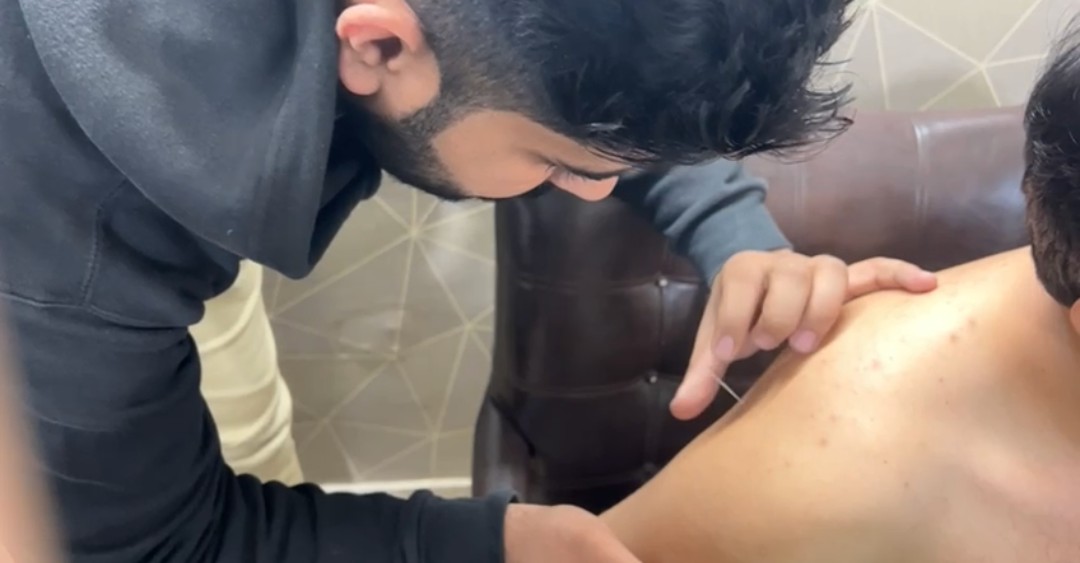
In physical therapy, dry needling is an authentic approach to dealing with muscle tightness or stiffness. Dr. Waseem Physio employs this treatment along with therapies and different modalities as part of a physiotherapist treatment plan.
Consultation:
Target Point Recognition:
Patient Authorization:
Therapy plan:
Musculoskeletal Issues that require Dry Needling
- Skeletal Pain (Back, Neck, and Lower limb pain)
- Joint problems
- Migraine and stressful Headaches
- Carpal Tunnel Syndrome
- Pelvic and Shoulder pain
- Plantar Fasciitis
- Tendon Injuries and swelling
- Whiplash (Neck Sprains and Strains) injury
- Disk and Spinal Disorders
- Phantom limb pain or Arthritis
Some Conditions are not indicated for Dry Needling
Dr. Waseem does not prefer dry needling for children under the age of 12 as it is slightly painful. Dry needling can cause uterine contractions, thus the miscarriage rate increases. So it is not preferred in the first trimester. People who may suffer from hemophilia, Von Willebrand disease, or any other blood loss-related disorders, dry needing is not suitable for them.
Patients who suffer from Hepatitis B, C, or HIV should not be treated with dry needles, as these are contact-transmission diseases. The open wounds and infections should not be treated by dry needling. Patients who have needle phobia should not get this treatment, as they may feel anxiety and fear. In an immune system disorder, the risk of an infection transmission is always present. Diabetic patients experience slow tissue healing, so this disease cannot be treated by dry needling.
Is Dry Needling Painful?
The priority of Dr. Waseem is the safety and good health of patients, but sensations vary from person to person. Dry Needling involves muscle sensation and a gentle twitch response that may cause a little inflammation and mild cramping perception. Very thin needles used in this technique are smaller than the normal injection, so the twitching and insertion are fast and bearable. Some patients feel mild soreness in their muscles after this session that seems like muscle pain after heavy exercise. This soreness endures for 24 hours by using plenty of water and gentle stretching exercises.