

- Home .
- Joint Therapy
Joint Therapy By Dr. Waseem
Recover from joint pain naturally with specialized therapy techniques focused on reducing inflammation, restoring movement, and improving overall joint health. Personalized care for every stage of recovery.
Preparing for Joint Replacement Surgery
Arthroplasty is also known as Joint replacement surgery. This technique involves the osteocalcia deboning and excision, replacing the cartilage structure and prosthetic implantation. The joint is replaced by a prosthetic implant made of metal, ceramics, and plastic that enhances joint mobility and reduces pain. The hip and knee joints are treated by arthroplasty; that are often injured by trauma, arthritis, and damaged bone. If the damaged bones, tendons, and cartilage are not recovered from plaster or fiberglass, arthroplasty (joint surgery) is used in that case.
A survey in 2023 in Germany reported that 351 out of 100,000 people experienced hip replacement, and the number of joint replacements continues to increase all over the world.

A Day Before Surgery
A day before surgery is important for patients, as negative thoughts disturb the patient, so calm yourself and relax. Follow the following key aspects to avoid negative thinking.
Prepare Skin:
Proper Medication:
Packing Essentials:
Fasting:
After the Surgery:
Things to do A Month Before Replacement Surgery
If an orthopedic surgeon recommends the replacement surgery, the patient should prepare themselves for the surgery.
Dr. Waseem advises the patient for this replacement surgery, light exercise for a faster healing process, and strengthening of muscles. Eat a nutrient-rich diet for healthy metabolism. If the patient is facing obesity, they need to shed some weight to improve recovery after surgery. Avoid toxic substances, alcohol, and smoking, as it delays the healing process. A complete fitness check-up is advised for the patients to recognize any health issues or underlying medical conditions for manageable results and the fastest recovery.
Before the surgery, you must visit a dental clinic for dental procedures to prevent any infection; unfortunately, untreated gum disease can be a source of bacteria that travels to joints.

Key Benefits of Joint Replacement
- Regain mobility and strength
- Leads to active, healthy life activities
- Decrease the use of drugs and medications
- Enhance quality of life
- Reduce tension and joint stiffness
- Long-term durability
Things to Do a Week Before Replacement Surgery
The patient should follow some instructions before going to the clinic for joint replacement. The patient needs a caretaker or family member to help and assist them in completing their routine activities after surgery. Before surgery, cook and store some foods for the coming few days so that the patient may avoid outside food items and benefit from healthy homemade foods. Homemade foods are nutrients rich that improves the healing process. It is also essential to put the routine items in their easily reachable positions after surgery and rearrange the furniture so patients may avoid getting hurt. Stay relaxed, avoid anxiety and stress, maintain hygiene, and drink plenty of water for a healthy immune system and metabolism.
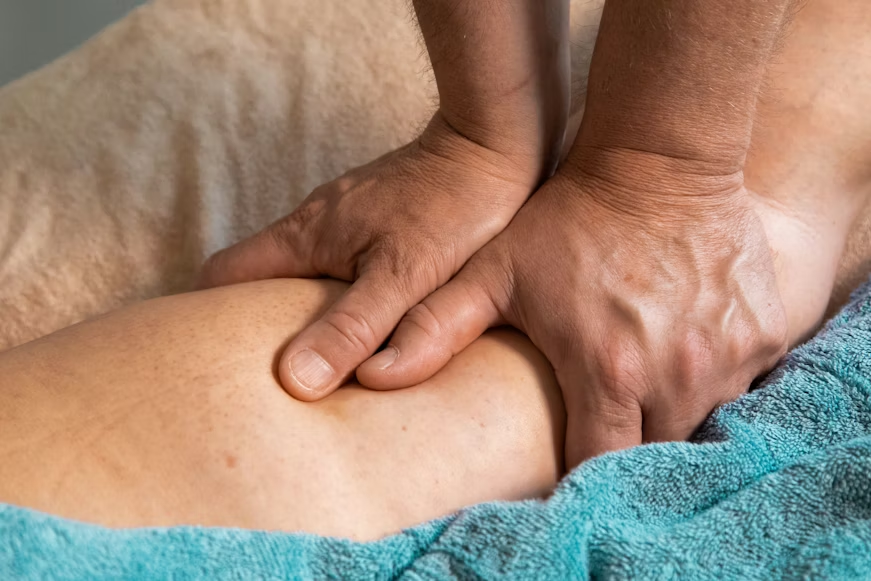
After the Surgery
After waking up when the anesthetic drugs are leaving, you can only drink clear fluids and liquid food for some time. The doctor will write some painkillers that you will take to manage pain after surgery. Dr. Waseem will check and monitor surgical wounds or incisions daily to avoid infection or an abscess. He advises the patients to take small steps with the help of a physiotherapist to recover body strength and regain mobility. Before leaving the hospital must discuss the physiotherapy and pain-relieving exercises to heal the wound as soon as the wound takes place.