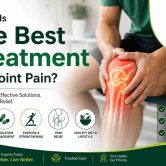
Which Is the Best Treatment for Joint Pain?
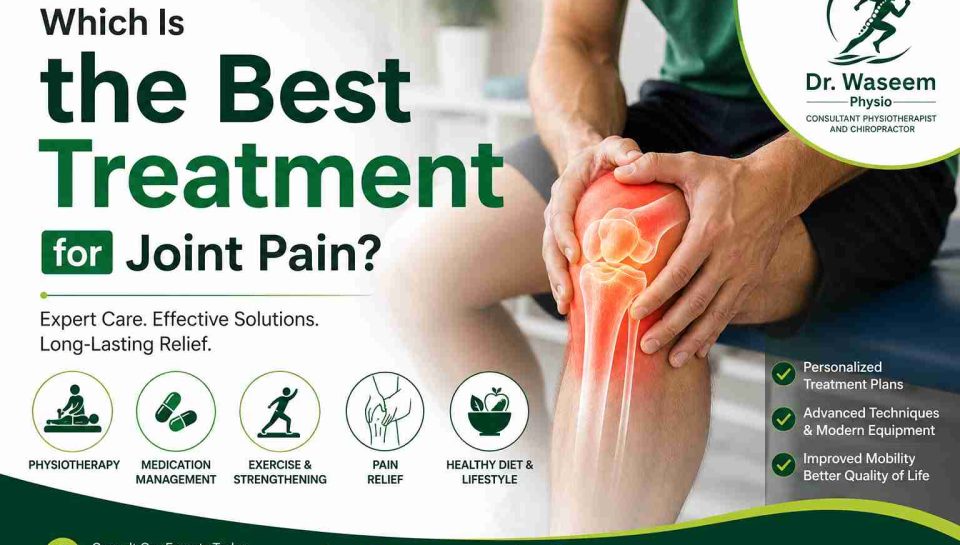
Joint pain can affect your ability to walk, exercise, work, climb stairs, or enjoy everyday activities. It may develop because of arthritis, an old injury, muscle weakness, stiffness, overuse, poor posture, or age-related changes. The best treatment depends on the cause and severity of the pain, but for many people, joint therapy and physiotherapy can help reduce discomfort, improve movement, and restore strength.
What Is the Best Treatment for Joint Pain?
There is no single treatment that is best for every type of joint pain. A proper assessment should be the first step. A physiotherapist can evaluate your joint movement, muscle strength, flexibility, posture, and daily activities to understand what may be contributing to the problem.
A personalized joint therapy program may include therapeutic exercises, stretching, strengthening, manual therapy, mobility exercises, posture correction, and advice about safe daily activities. The goal is not only to reduce pain but also to improve joint function and prevent the problem from returning.
How Does Joint Therapy Help Joint Pain?
Joint therapy focuses on improving the way your body moves and supports the affected joint. When muscles around a joint are weak or certain movements are restricted, additional stress may be placed on the joint. Targeted exercises can help improve strength, flexibility, balance, and stability.
For example, people experiencing knee pain may benefit from exercises that strengthen the thighs, hips, and surrounding muscles. Someone with shoulder pain may need mobility exercises and strengthening work for the shoulder and upper back. The treatment should always be adjusted according to the person’s condition and ability.
Joint Therapy in Lahore
If you are searching for joint therapy in Lahore, professional physiotherapy can be a practical option for managing many common joint problems. Treatment should begin with an assessment rather than simply following a general exercise routine found online.
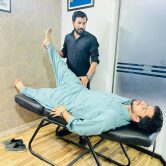
At Dr. Muhammad Waseem Physiotherapy, treatment can be tailored according to the patient’s symptoms, physical condition, affected joint, and recovery goals. The approach may include therapeutic exercise, manual therapy, stretching, strengthening, and movement training to help patients return to their normal activities.
Can Physiotherapy Reduce Joint Pain?
Physiotherapy can help many people manage joint pain by improving movement, strength, flexibility, and physical function. Instead of focusing only on temporary pain relief, physiotherapy looks at factors that may be contributing to the problem.
A physiotherapist may also identify habits or movements that are putting unnecessary stress on a joint. Correcting posture, improving movement patterns, and gradually increasing strength can make everyday activities more comfortable.
Exercises for Joint Pain
Exercise is an important part of many joint rehabilitation programs. Gentle mobility exercises can help reduce stiffness, while strengthening exercises can improve the support around the joint. Depending on the condition, a treatment plan may include:
- Joint mobility exercises
- Muscle strengthening exercises
- Gentle stretching
- Balance and stability exercises
- Posture and movement correction
- Functional exercises for daily activities
The right exercises depend on the joint involved and the reason for the pain. Exercising through severe pain without proper guidance may make some conditions worse, so professional advice is recommended when pain is persistent.
When Should You See a Physiotherapist for Joint Pain?
You should consider professional assessment if joint pain continues for several weeks, keeps coming back, limits your movement, or affects your work, exercise, or sleep. Early assessment can help identify contributing factors and prevent the problem from becoming more difficult to manage.
If joint pain occurs after a serious injury, or you have significant swelling, redness, fever, sudden weakness, or cannot put weight on the affected limb, seek appropriate medical care promptly.
Is Rest Enough for Joint Pain?
Rest can sometimes be helpful during an acute injury or painful flare-up, but complete inactivity for a long period may lead to muscle weakness and increased stiffness. In many cases, the aim is to find the right balance between protecting the joint and maintaining safe movement.
A physiotherapist can guide you on which activities to reduce temporarily and which movements or exercises can be performed safely.
What Makes Joint Therapy Effective?
Effective joint therapy is based on the individual’s condition rather than a one-size-fits-all routine. A good treatment plan considers the location of pain, its duration, physical limitations, previous injuries, muscle strength, flexibility, and daily activities.
The long-term goal is to help you move more comfortably, become stronger, improve joint function, and return to normal activities with greater confidence.
Frequently Asked Questions About Joint Pain
What is the best treatment for joint pain?
The best treatment depends on the cause of the pain. Physiotherapy, joint therapy, therapeutic exercises, lifestyle changes, and medical treatment may be used depending on the condition. A professional assessment is the best way to determine the appropriate approach.
Is joint therapy good for arthritis?
Joint therapy and physiotherapy may help people with arthritis by improving joint mobility, muscle strength, flexibility, and physical function. Treatment should be customized according to the type and severity of arthritis.
How long does joint therapy take to work?
Recovery time varies from person to person. Some people notice improvement within a few sessions, while chronic or more complex joint problems may require a longer rehabilitation program. Consistency with the recommended exercises and activity changes is important.
Can joint pain be treated without surgery?
Many joint problems can be managed with non-surgical approaches such as physiotherapy, exercise therapy, activity modification, and other conservative treatments. However, whether surgery is necessary depends on the underlying condition and should be determined by an appropriate healthcare professional.
Where can I get joint therapy in Lahore?
If you are looking for joint therapy in Lahore, you can consult Dr. Muhammad Waseem Physiotherapy for an assessment and personalized physiotherapy approach based on your joint pain and mobility needs.
Should I exercise when my joint hurts?
Some gentle exercises may be beneficial, but the appropriate activity depends on the cause and severity of the pain. If exercise increases pain significantly, stop and seek professional guidance rather than continuing through severe discomfort.
Conclusion
The best treatment for joint pain is the one that addresses its underlying cause and matches your individual needs. For many people, joint therapy and physiotherapy can play an important role in improving movement, strength, flexibility, and daily function. If you are experiencing persistent joint pain and looking for joint therapy in Lahore, a professional assessment at Dr. Muhammad Waseem Physiotherapy can be a useful first step toward a personalized recovery plan.