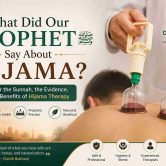
What Did Our Prophet ﷺ Say About Hijama Therapy?
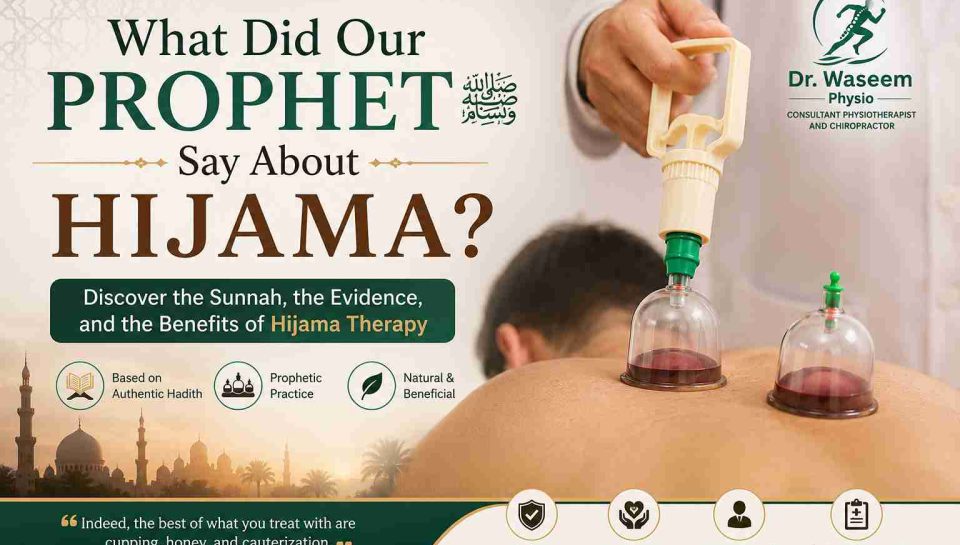
Hijama, also known as cupping therapy, is a traditional treatment with a special place in Islamic history. The practice is particularly important for Muslims because authentic Hadith show that Prophet Muhammad ﷺ underwent Hijama and spoke about cupping as a form of treatment. Today, many people search for Hijama Therapy because they want to understand both its connection with the Sunnah and its possible role as a complementary therapy. In this article, we will look at what authentic Islamic sources say about Hijama and how it can be approached safely today.
What Did the Prophet ﷺ Say About Hijama?
Several authentic narrations mention Hijama. In Sahih al-Bukhari, Ibn Abbas (RA) narrated that the Prophet ﷺ said that healing is found in three things, including cupping, honey, and cauterization, although he discouraged cauterization with fire. This Hadith is an important source for understanding the place of Hijama in Prophetic medicine.
The Prophet ﷺ also personally underwent cupping. Another authentic narration reports that the Prophet ﷺ was cupped and paid the person who performed the treatment. This shows that Hijama was not simply a theoretical recommendation; it was a treatment that the Prophet ﷺ himself received.
Did Prophet Muhammad ﷺ Have Hijama?
Yes. Authentic Hadith record several occasions when the Prophet ﷺ underwent Hijama. Anas ibn Malik (RA) narrated that the Prophet ﷺ was cupped by Abu Taibah and that the Prophet ﷺ paid him for the treatment.
Other narrations mention that the Prophet ﷺ received cupping for an ailment affecting his head. These reports provide valuable historical evidence about the use of Hijama during the time of the Prophet ﷺ.
What Is Hijama Therapy?
Hijama Therapy is a form of cupping in which cups are placed on selected areas of the body to create suction. There are different forms of cupping. Dry cupping uses suction without making an incision, while wet cupping involves small superficial skin openings through which a small amount of blood may be removed.
Because wet cupping involves the skin and blood, it should always be performed by a properly trained practitioner using sterile equipment and appropriate hygiene procedures.
Is Hijama the Same as Cupping Therapy?
Hijama and cupping therapy are closely related terms, but the exact technique can vary. Hijama traditionally refers to wet cupping, while modern cupping therapy may include both dry and wet techniques.
The important point is that patients should understand which type of treatment they are receiving and ensure that it is being performed safely by a qualified professional.
What Are the Benefits of Hijama?
Hijama has traditionally been used for a variety of health concerns, and many people seek cupping therapy as a complementary approach to managing muscle tension, general discomfort, and other conditions.
However, it is important not to make exaggerated medical claims. The authentic Hadith establish the use and significance of Hijama in the Sunnah, but they should not be interpreted as a guarantee that Hijama will cure every disease.
Modern patients should consider their individual health circumstances and seek professional medical advice when necessary.
What Does Islam Say About Seeking Treatment?
Islam encourages people to take care of their health and seek appropriate treatment. Hijama can be viewed as part of the Prophetic tradition, but following the Sunnah does not mean ignoring modern medical care.
If someone has a serious illness or ongoing symptoms, proper medical assessment is important. Hijama should not be used to delay necessary diagnosis or treatment.
Is Hijama Safe?
Hijama can be performed safely when appropriate techniques, hygiene measures, and sterile equipment are used. However, wet cupping involves breaking the skin, so there is a risk of infection, bleeding, bruising, or skin irritation if it is performed incorrectly.
A qualified practitioner should assess whether Hijama is appropriate before treatment. People with certain medical conditions, bleeding problems, active skin infections, or other health concerns should seek professional advice before undergoing wet cupping.
Why Choose Professional Hijama Therapy?
Choosing an experienced practitioner is important for both safety and comfort. A professional approach should include an initial assessment, discussion of the patient’s concerns, proper preparation, hygienic equipment, appropriate technique, and aftercare guidance.
At Dr. Muhammad Waseem Physiotherapy, patients interested in Hijama Therapy or cupping therapy can discuss their individual concerns and receive guidance based on their needs. The aim should always be responsible, patient-centered care rather than unrealistic promises.
Hijama in the Sunnah: What Should We Remember?
The most important point is that authentic Hadith confirm that Prophet Muhammad ﷺ underwent Hijama and spoke positively about cupping as a treatment. For Muslims, this gives Hijama a special connection with the Sunnah.
At the same time, it is important to distinguish authentic Islamic teachings from unsupported claims found online. Statements about specific diseases, guaranteed cures, exact Hijama points, or particular dates should not automatically be attributed to the Prophet ﷺ without reliable evidence.
Hijama can therefore be respected as a Prophetic practice while being performed with appropriate modern safety standards.
Frequently Asked Questions About Hijama
What did Prophet Muhammad ﷺ say about Hijama?
Authentic Hadith report that the Prophet ﷺ mentioned cupping among treatments associated with healing and that he personally underwent Hijama. These narrations are found in major Hadith collections, including Sahih al-Bukhari.
Did Prophet Muhammad ﷺ perform Hijama?
The authentic narrations indicate that the Prophet ﷺ received Hijama from another person. They also mention that he paid the person who performed the cupping.
Is Hijama a Sunnah?
Hijama has a clear connection with the Sunnah because authentic Hadith document that Prophet Muhammad ﷺ underwent cupping and spoke about it as a treatment. Muslims may therefore regard it as a Prophetic medical practice.
What is the difference between Hijama and cupping therapy?
Hijama traditionally refers to wet cupping, which may involve small superficial skin incisions and the removal of a small amount of blood. Cupping therapy is a broader term that can include dry cupping as well as wet cupping.
Can Hijama cure every disease?
No. It would be inappropriate to claim that Hijama is a guaranteed cure for every disease. While authentic Hadith establish its use and importance in Prophetic medicine, individual health conditions require appropriate assessment and treatment.
Is Hijama painful?
Some people experience mild discomfort, pressure, or a brief stinging sensation during wet cupping. The experience can vary depending on the technique and individual sensitivity.
Who should perform Hijama?
Hijama, particularly wet cupping, should be performed by a properly trained practitioner who follows appropriate hygiene, sterilization, and safety procedures.
Should I stop my medical treatment if I have Hijama?
No. Hijama should not be used to replace essential medical treatment without professional medical advice. If you have an existing condition or take medication, discuss complementary therapies with an appropriate healthcare professional.
Where can I get professional Hijama Therapy?
If you are considering Hijama Therapy or cupping therapy, you should choose a reputable and properly trained practitioner. Dr. Muhammad Waseem Physiotherapy can provide professional guidance and help you understand whether cupping therapy may be suitable for your individual needs.
Final Thoughts
Hijama holds a respected position in Islamic tradition because authentic Hadith show that Prophet Muhammad ﷺ personally underwent cupping and spoke about it as a treatment. For Muslims, this connection with the Sunnah makes Hijama more than an ordinary traditional therapy.
However, Hijama should always be approached responsibly. Authentic Islamic teachings should be distinguished from unsupported claims, and modern safety standards should be followed during treatment. If you are considering Hijama Therapy, speak with a qualified practitioner, discuss your health needs, and make an informed decision based on your individual circumstances.